
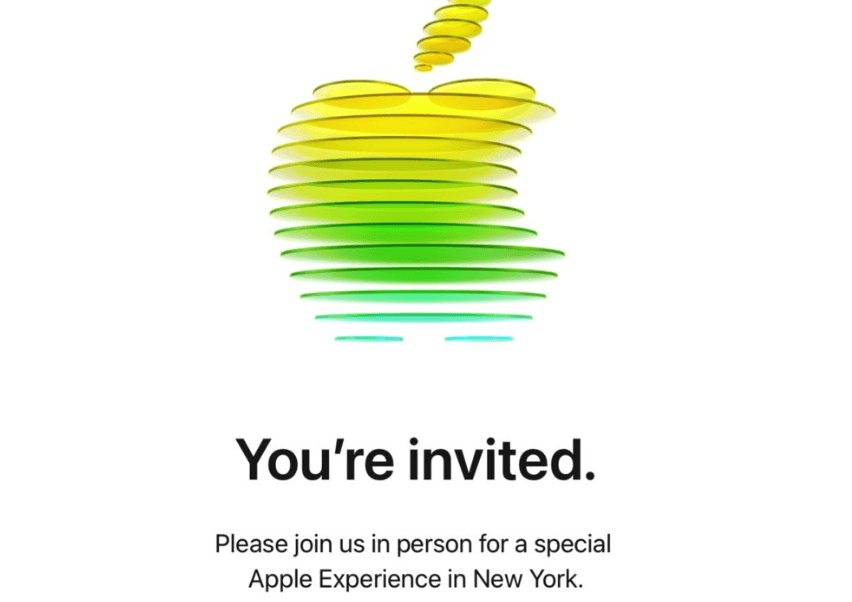
Apple just sent out invitations for what might be the most interesting event the company has held in years. And here’s the twist: it’s not happening in Cupertino.
On March 4th, 2026, at 9:00 AM ET, Apple is hosting what they’re calling a “special Apple Experience” in three cities simultaneously New York, London, and Shanghai. Notice the language: not an “event,” but an “experience.” And critically, there’s no livestream planned.
This is weird. Apple doesn’t do this. The company loves its big, glossy keynotes from Apple Park, watched by millions globally. So what’s different about March 4th?
The answer, based on a mountain of leaks and rumors from reliable sources like Mark Gurman, is that Apple is about to do something it hasn’t done in over a decade: go aggressively after the budget market with products that don’t sacrifice the Apple experience.
Let me break down everything we’re expecting, why it matters, and what this tells us about Apple’s strategy for 2026.
The Star of the Show: A $699 MacBook in Actual Colors
Here’s the headline product that has everyone talking: Apple is reportedly launching a brand-new MacBook priced around $699-$750. Not a MacBook Air. Just “MacBook.”
And it’s coming in colors.
Why This Is a Bigger Deal Than It Sounds
The current cheapest Mac laptop is the MacBook Air at $999. Meanwhile, you can buy perfectly decent Chromebooks for $300-400, and solid Windows laptops for $500-600. Apple has essentially ceded the entire affordable laptop market to competitors, and they know it.
The M1 MacBook Air which Apple no longer sells officially but Walmart offers for $649 became one of the best-selling laptops of all time precisely because it hit a sweet spot: Apple quality at a price students and budget-conscious buyers could justify.
This new MacBook takes that concept and runs with it.
The Specs: iPhone Power in Laptop Form
Here’s where things get clever. Instead of using an M-series chip (M5, M5 Pro, etc.), Apple is putting the A18 Pro the chip from the iPhone 16 Pro into this laptop.
“Wait, isn’t that just a phone chip?” Yes, but here’s the thing: the A18 Pro is built on Apple’s second-generation 3-nanometer process and is genuinely powerful. In Geekbench benchmarks, it delivers:
- Single-core performance matching the M3 Ultra
- Multi-core performance exceeding the original M1
- GPU performance comparable to the M1
For everyday tasks web browsing, email, document editing, video streaming, light creative work the A18 Pro is more than adequate. And because it’s designed for phones, it’s incredibly power-efficient, meaning excellent battery life even in a thin laptop chassis.
Expected specs:
- 12.9-inch LCD display (no notch)
- A18 Pro chip
- 8GB RAM (enough for Apple Intelligence)
- Apple’s N1 wireless chip for improved Wi-Fi, Bluetooth, and Thread connectivity
- Aluminum construction (not plastic Apple is changing the manufacturing process to reduce costs while maintaining premium feel)
- Limited port selection (probably 2 USB-C ports)
- Price: $699-$750
The Colors Are the Visual Statement
This is where Apple is making a play for personality. The MacBook Pro comes in two colors: space gray and silver. Exciting, right? The MacBook Air offers four muted shades. Functional, but boring.
The new MacBook? Rumors suggest it’s being tested in:
- Light yellow
- Light green
- Blue
- Pink
- Silver
- Dark gray
Not all of these will necessarily launch, but the intent is clear: Apple wants this laptop to be fun. Think iMac 24-inch, but portable. This is the company signaling “this is a computer for students, for creative people, for anyone who wants their tech to have personality.”
It’s also smart positioning. Chromebooks and budget Windows laptops all look the same black or gray rectangles. A bright yellow MacBook in a coffee shop? That stands out.
Who This Is For
Students are the obvious target. College students, high school students, anyone who needs a reliable computer for research, writing papers, and consuming content but doesn’t need professional-grade power.
But also: Anyone who wants a secondary computer. A lightweight machine to throw in a bag for travel. A kitchen computer for recipes and video calls. A coffee shop laptop for writing.
The pitch is simple: genuine MacBook quality, full macOS experience, Apple ecosystem integration, at a price that doesn’t require selling a kidney.
The iPhone 17e: Budget Phone, Flagship Chip
If you thought the budget MacBook was interesting, wait until you hear about the iPhone 17e.
This is Apple’s answer to the perennial question: “Why is there no affordable iPhone anymore?” Well, there is—the iPhone 16e launched last February at $599. The iPhone 17e is its successor, and it’s getting some serious upgrades.
The Big Changes
A19 Chip: This is the same processor powering the flagship iPhone 17 models. Not a downclocked version, not last year’s chip the current flagship chip. For context, that’s like getting a Toyota Corolla with a Lexus engine. Apple might give it a slightly less powerful GPU (4 cores instead of 5), but the CPU will be flagship-grade.
MagSafe Support: The iPhone 16e’s biggest omission was MagSafe. No magnetic charging, no MagSafe accessories. The 17e fixes this, bringing the entire ecosystem of MagSafe chargers, wallets, and accessories to the budget lineup.
Apple’s First In-House Modem: The 17e will be the first iPhone to use Apple’s own cellular modem instead of Qualcomm’s. This is huge for Apple it means better integration, potentially better battery life, and crucially, lower costs that they can pass on to consumers.
N1 Wireless Chip: Apple’s custom wireless chip handles Wi-Fi, Bluetooth, and Thread connectivity more efficiently than third-party solutions.
8GB RAM: Essential for Apple Intelligence features to work properly.
What It Keeps From the Budget Playbook
To hit the $599 price point, some compromises remain:
- 6.1-inch display with 60Hz refresh rate (no ProMotion)
- Single rear camera (no ultra-wide)
- Same two color options (black and white)
- Possibly a notch instead of Dynamic Island (rumors conflict on this)
But here’s the thing: for $599, you’re getting flagship processing power, MagSafe, and full Apple Intelligence support. That’s a compelling package.
Release Timing
The iPhone 16e launched via press release on February 19, 2025. Retail sources report that inventory has “basically dried out,” which typically signals an imminent replacement. The 17e could drop before the March 4th event possibly as early as February 19th via press release—or be part of the event itself.
Either way, it’s coming within weeks.
The Pro Products: Incremental But Important
While budget devices steal the headlines, Apple is also updating its professional lineup.
MacBook Pro: M5 Pro and M5 Max
The 14-inch and 16-inch MacBook Pros are getting chip upgrades to M5 Pro and M5 Max. This is classic Apple: same design, same display, new internals.
Why you might want to wait: Multiple sources suggest that later in 2026 or early 2027, Apple could introduce OLED displays to the MacBook Pro lineup. If you’re a creative professional who cares deeply about display quality, you might want to sit this generation out.
Why you might not care: The current Mini-LED displays are excellent, and the M5 Pro/Max chips should deliver meaningful performance improvements, particularly in:
- Heat dissipation (better sustained performance)
- GPU capabilities for 3D work and video editing
- Energy efficiency for battery life
Pricing should remain unchanged $1,999 for the base 14-inch M5 Pro model.
MacBook Air: The M5 Refresh
The MacBook Air is getting its annual chip upgrade to M5. Expect:
- Same thin-and-light design
- Same four color options
- Same $999 starting price
- Better performance and efficiency from M5
This is the definition of a “spec bump” update. If you bought an M4 Air recently, you’re fine. If you’re considering one now, maybe wait a few weeks for the M5 version at the same price.
Mac Studio: The Pro Workhorse (Maybe)
Rumors suggest an updated Mac Studio with M5 Max and M5 Ultra configurations could appear. This would bring significant power for professionals in:
- Video production and editing
- 3D animation and rendering
- Software development (compiling large projects)
- Scientific computing
The Mac Studio last updated in March 2025, so an annual refresh makes sense. But some sources suggest it might come later in the first half of 2026 rather than March specifically.
The iPad Refresh: Intelligence for Everyone
Apple’s tablet lineup is getting capability upgrades across the board.
12th-Generation iPad: Apple Intelligence Arrives
The standard entry-level iPad is moving to the A18 chip. Why does that matter?
Apple Intelligence support. The A18 brings 8GB of RAM, which is the minimum required to run Apple’s AI features. This means the most affordable iPad will finally get:
- Enhanced Siri capabilities
- Smart writing tools
- Intelligent photo features
- All the AI goodies coming in future iOS updates
This is about future-proofing. As Apple Intelligence becomes more central to the iOS experience, having it on the entry-level iPad ensures students and budget-conscious buyers aren’t locked out of key functionality.
Design won’t change. Price likely stays around the current $349 starting point.
iPad Air: M4 Power
The iPad Air is getting the M4 chip keeping it one generation behind the iPad Pro (which runs M5 as of October 2025).
This is a straightforward performance upgrade:
- Faster processing for creative apps
- Better gaming performance
- Improved multitasking
- Enhanced capabilities for productivity workflows
Available in both 11-inch and 13-inch sizes, same design, prices likely unchanged ($599 and up).
The M4 iPad Air is positioned for users who want more power than the base iPad but don’t need the iPad Pro’s ProMotion display, Face ID, or absolute peak performance.
The “Maybe” Products: Don’t Get Your Hopes Too High
Several products have been rumored but aren’t confirmed for March 4th:
Studio Display 2
A refreshed Apple Studio Display with ProMotion (120Hz) would be welcome, but multiple sources say this is more likely for later in 2026 if it happens at all.
Apple TV
An updated Apple TV box has been rumored for years. It might appear, but don’t count on it.
HomePod mini 2
Similar story it’s due for an update, but March might be too early.
Vision Pro Software
This event is hardware-focused, but don’t be surprised if Apple mentions visionOS updates or new Vision Pro apps.
The iOS 26.4 Bombshell: Siri Gets Serious
Here’s something that might not get announced at the March 4th event but is coming around the same timeframe: iOS 26.4 with a completely redesigned Siri.
And here’s where it gets interesting: Siri’s new capabilities are powered by Google Gemini.
Let that sink in. Apple, the company that prides itself on privacy and doing everything in-house, has partnered with Google to supercharge Siri.
What this means:
- Conversational interface that actually works
- Contextual understanding across apps
- Personalized responses based on your data (processed securely)
- Natural language processing that doesn’t make you want to throw your phone
The developer beta is expected around February 23rd, with public release in late March or early April.
This is potentially the biggest AI move Apple has made, and it’s worth paying attention to even if you’re not buying new hardware.
Why This Event Format Is Different (And What It Means)
Let’s talk about the elephant in the room: why is Apple holding “experiences” in New York, London, and Shanghai instead of a big keynote from Apple Park?
Several theories:
1. These Are Press Embargoed Hands-On Sessions
Apple might be showing products to press ahead of actual availability, letting journalists get hands-on time to prepare reviews, but without the big public announcement fanfare.
This would explain the “experience” language and the lack of livestream.
2. These Products Don’t Need a Full Keynote
The budget MacBook and iPhone 17e are important products, but they’re not revolutionary. They’re Apple entering markets it’s ignored for years with compelling but straightforward offerings. That doesn’t require Tim Cook on stage for 90 minutes.
3. Apple Is Testing a New Approach
Maybe Apple is tired of the keynote format requiring months of preparation, endless rehearsals, and the risk of leaks ruining surprises. Smaller, regional press events let them announce products without the spectacle.
4. Global Reach
By hosting simultaneously in New York, London, and Shanghai, Apple ensures strong regional press coverage and acknowledges that not everything needs to be Cupertino-centric.
Whatever the reason, it signals that these March announcements, while significant, aren’t the main event of Apple’s 2026 calendar. That’ll be WWDC in June (software focus) and the iPhone 18 launch in September (the real flagship moment).
What About Everything Else Apple Is Working On?
This event won’t include several products we know are in development:
iPhone 18 Pro – Rumored features include smaller Dynamic Island, variable aperture camera, under-display Face ID. September 2026.
iPhone Fold – Apple’s first foldable phone is rumored for late 2026 or 2027, with a flip-phone-style design rather than a book-style fold.
Apple Vision Pro updates – Software improvements, possibly price adjustments, but no new hardware in March.
Smart home products – Apple is working on a smart display, updated HomePod, and possibly home robots, but these are 2027 products.
Apple Car – Still very much dead. Don’t expect updates.
Should You Actually Buy These Products?
Let’s get practical. If you’re considering purchases, here’s my honest take:
Buy the Budget MacBook If:
- You need a reliable laptop for basic tasks
- You’re a student or buying for a student
- You want a secondary/travel computer
- You’re on a budget but refuse to leave the Apple ecosystem
- You like the idea of a colorful laptop
Skip the Budget MacBook If:
- You do any serious creative work (video editing, 3D modeling, etc.)
- You need peak performance for development or scientific computing
- You run lots of demanding applications simultaneously
- You need more than basic connectivity options
Buy the iPhone 17e If:
- Your budget is $600 or less
- You primarily use your phone for calls, messages, social media, photos, web
- You want Apple Intelligence features but can’t justify $1000+
- You want to enter the Apple ecosystem affordably
Skip the iPhone 17e If:
- You’re a photography enthusiast (single camera is limiting)
- You watch lots of video and care about ProMotion smoothness
- You want the absolute latest design (Dynamic Island might not make it)
Buy the M5 MacBook Pro If:
- Your current MacBook is 3+ years old and showing its age
- You’re a professional who needs the power now for client work
- You don’t care about OLED displays (current Mini-LED is excellent)
Skip the M5 MacBook Pro If:
- You bought an M4 Pro/Max in the last year
- You can wait for potential OLED models
- Your work doesn’t actually push your current machine’s limits
Buy the iPad Air M4 If:
- You want iPad Pro power without the price
- You’re upgrading from a much older iPad
- You use your iPad for creative work or productivity
Skip the iPad Air M4 If:
- Your current iPad Air works fine
- You really want that ProMotion display (get the Pro)
The Bigger Picture: Apple’s Strategy Shift
Step back from individual products for a moment. What’s really happening here?
Apple built its empire on premium products at premium prices. “We don’t compete on price, we compete on value” has been the mantra for decades. And it worked Apple became the first trillion-dollar company, then the first two-trillion-dollar company, largely by selling expensive products with excellent margins.
But the market has changed:
- Global middle class is growing in markets where $1000 smartphones are non-starters
- Students can’t afford Macs when $400 Chromebooks exist
- iPhone market share is stagnating because Apple has nothing for budget-conscious buyers
- Services growth depends on device install base, and you can’t sell services if people can’t afford devices
The budget MacBook and iPhone 17e aren’t just products. They’re Apple admitting that refusing to compete in affordable categories means ceding billions of potential customers to competitors.
Apple Intelligence makes this strategy even more urgent. AI features require capable hardware. If Apple wants AI to drive its next decade of growth, it needs AI-capable devices in as many hands as possible. A $699 MacBook and $599 iPhone that both run Apple Intelligence? That’s how you scale AI adoption.
What March 4th Actually Tells Us
This event if the leaks are accurate represents Apple threading a very difficult needle:
- Entering affordable markets without cheapening the brand
- Using older chip designs in smart ways that still deliver value
- Adding playful colors and features while maintaining build quality
- Expanding their addressable market without cannibalizing premium sales
Will it work? Honestly, it depends on execution.
If the $699 MacBook feels cheap, creaks when you open it, and has terrible battery life, it’ll damage Apple’s reputation. But if it feels premium, runs smoothly, and lasts all day? That could be a blockbuster product that brings millions of people into the Mac ecosystem who would never have considered it at $999.
The iPhone 17e has an easier path the 16e was already well-received. Adding MagSafe and the A19 chip while keeping the price at $599 is a clear upgrade.
The March 4th Timeline: What Happens When
Here’s how I expect this to play out:
February 19th (possibly): iPhone 17e announced via press release, available immediately or within a week.
March 4th, 9:00 AM ET: Simultaneous press events in New York, London, Shanghai. Journalists get hands-on time with:
- Budget MacBook
- MacBook Pro M5 Pro/Max
- MacBook Air M5
- iPad Air M4
- 12th-gen iPad
- Possibly Mac Studio and other surprises
March 4th afternoon: Embargo lifts, reviews and hands-on impressions flood the internet.
Late March: Products begin shipping to customers. iOS 26.4 public release with new Siri.
Ongoing through spring: Additional products trickle out via press releases rather than events.
Final Thoughts: Why This Event Matters More Than Most
I’ll be honest most Apple spring events are pretty boring. Spec bumps to existing products, incremental updates, nothing revolutionary.
This one feels different.
For the first time in over a decade, Apple is seriously competing for budget-conscious consumers with products designed specifically for that market, not just older flagships sold at reduced prices.
The budget MacBook could be a genuine hit if priced and executed well. The iPhone 17e could bring millions of people into the Apple ecosystem who’ve been priced out. The expansion of Apple Intelligence to entry-level iPads ensures the AI features reach broader audiences.
And maybe most importantly: this shows Apple being flexible. For years, the company insisted $999 was the right price for entry-level Macs. Now they’re acknowledging market reality and adapting.
That adaptability that willingness to change strategy when the market demands it is what keeps companies thriving for decades rather than becoming obsolete.
So yeah, I’m more excited about this “special Apple Experience” than I have been about an Apple event in years.
Not because the technology is revolutionary. Not because these are the most powerful products Apple makes. But because they represent Apple finally making products for everyone, not just the people who can afford premium prices.
And in a world where technology increasingly determines opportunity, access matters.
What I’m Watching For
When March 4th arrives, here’s what I’ll be paying attention to:
Build quality: Does the budget MacBook actually feel premium, or is it obviously cheaper?
Real-world performance: Benchmarks are one thing, but how does the A18 Pro handle actual workflows?
Battery life: If the budget MacBook gets 15+ hours, it’s a winner. If it struggles to hit 8 hours, that’s a problem.
Color availability: Which colors actually launch versus which were just tested?
Siri capabilities: The Google Gemini integration is fascinating does it actually make Siri useful?
Market reception: Do these products find their audience, or does the market yawn?
We’re less than three weeks away from answers.
March 4th, 2026. Mark your calendars. Apple’s budget revolution begins.
Or it doesn’t, and we get another boring spec-bump event. But I don’t think that’s what this is.
This feels like the start of something different.
And different, in the often predictable world of Apple product launches, is worth getting excited about.
Leave a Reply