
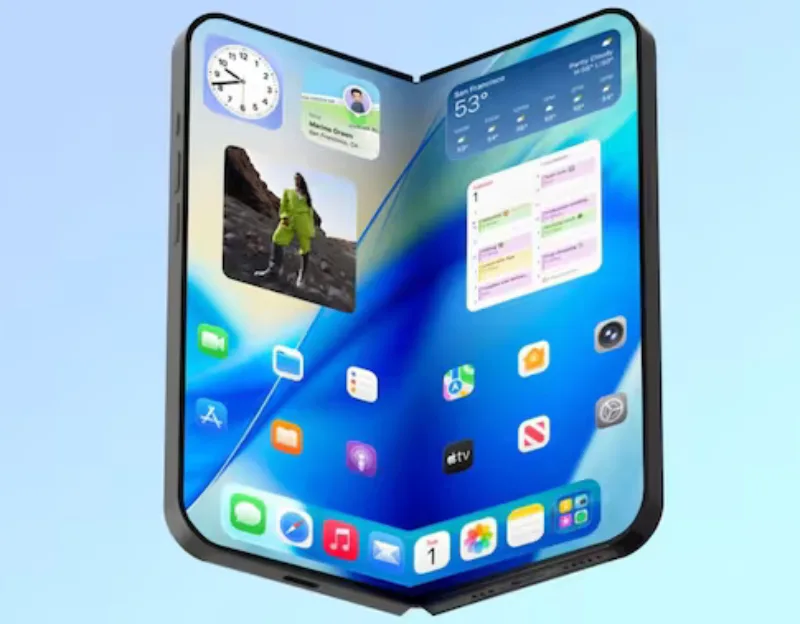
February 6, 2026 – After years of speculation and development, Apple’s first foldable iPhone appears set to launch in September 2026 as part of the iPhone 18 lineup. Multiple credible sources, including supply chain analysts, industry leakers, and CAD render leaks, have provided increasingly detailed information about what Apple is calling the “iPhone Fold.” This document compiles all reported specifications, design details, features, and timelines based on available leaks and rumors.
Disclaimer: Apple has not officially announced or confirmed any foldable iPhone. All information in this document is based on leaks, rumors, analyst reports, and industry sources. Specifications, features, pricing, and launch timing may change or prove inaccurate.
Expected Launch Timeline
Launch Date: September 2026 (widely reported by multiple sources)
Launch Alongside: iPhone 18 Pro and iPhone 18 Pro Max
Product Positioning: Part of the iPhone 18 family, not a separate product line
Delay Possibility: Some analysts indicate potential slip to early 2027 if Apple encounters manufacturing or durability issues, particularly around hinge or display technology
Standard iPhone 18: Reportedly delayed until spring 2027, with only Pro models and the Fold launching in fall 2026
Display Specifications
Inner Display (Unfolded)
Size Range: 7.6 to 7.8 inches (reports vary)
- Most common specification: 7.76 inches (per Digital Chat Station)
- Alternative specification: 7.7 inches (per The Information)
Resolution: 2,713 x 1,920 pixels (per leaker reports)
Refresh Rate: 120Hz LTPO (expected, based on iPhone Pro display technology)
Technology: Flexible OLED from Samsung Display
When Open Comparison: Similar size to iPad mini (which measures 8.3 inches)
Outer Display (Folded)
Size Range: 5.3 to 5.5 inches (reports vary)
- Most common specification: 5.49 inches (per Digital Chat Station)
- Alternative specification: 5.3 inches (per The Information)
Resolution: 2,088 x 1,422 pixels
Aspect Ratio: 4:3 (per some reports)
Size Comparison: Smaller than iPhone mini’s 5.4-inch display (discontinued 2022)
Usage When Closed: Functions as conventional smartphone with camera and standard phone features
Crease-Free Display Technology
Primary Innovation: Apple reportedly focused on eliminating visible display crease
Technology Approach: Ultra-thin flexible glass (UFG) with uneven thickness
Supplier: Samsung Display as primary supplier
CES 2026 Demonstration: Samsung showcased new crease-less foldable OLED panel at CES 2026, which multiple sources suggest is the technology Apple will use
Engineering Method: Flexible OLED combined with laser-drilled metal support plate that disperses stress when folding
Additional Film: Apple reportedly evaluating transparent polyimide film as protective layer on top of ultra-thin glass
Strategic Importance: Apple considers crease elimination essential before entering foldable market, according to Bloomberg
Physical Dimensions and Design
Thickness
When Unfolded: 4.5mm to 4.8mm (reports vary)
- MacRumors: 4.5mm
- CAD leaks: 4.8mm
When Folded: 9mm to 11mm (reports vary depending on hinge design)
- Most common specification: 9mm to 9.5mm
- CAD leaks: 9.6mm
Comparison: When unfolded, would be Apple’s thinnest device ever (thinner than iPhone Air rumors)
Form Factor
Width: 83.8mm (per CAD leaks)
Height: 120.6mm (per CAD leaks)
Overall Size Comparison: Approximately passport-sized when folded
Design Style: Book-style “wide fold” design (folds horizontally, opens like a book)
Not Clamshell: Apple reportedly moved away from vertical flip/clamshell design tested in 2024
Button Placement and Controls
Volume Buttons: Located on top edge of device, aligned to the right (similar to iPad mini placement)
Power Button: On right edge, integrated with Touch ID fingerprint sensor
Camera Control Button: On right edge (continuing from recent iPhone models)
Left Side: Completely smooth with no buttons
Rationale for Placement: Motherboard positioned on right side; Apple avoided running wires across screen to left side for button connections
Action Button: Status unclear in leaks; may be absent from this model
Biometric Authentication
Face ID: Will NOT be included (per multiple reports)
Touch ID: Integrated into side-mounted power button
Rationale for Touch ID:
- Internal space constraints in ultra-thin design
- Consistent authentication in both folded and unfolded modes
- Face ID sensor alignment less reliable when device angles change
- Simplified internal layout
Dynamic Island Impact: Without Face ID, full Dynamic Island cutout not needed
Front Camera Design: Single punch-hole design instead of Dynamic Island, resulting in smaller screen interruption
Camera System
Rear Camera
Configuration: Dual-camera system
Sensor Resolution: Dual 48-megapixel sensors (per Gizmodo sources)
Arrangement: Horizontally arranged (change from typical vertical two-camera iPhone setups)
Camera Plateau: All-black camera plateau (per leaker “Instant Digital”)
Plateau Style: Similar to iPhone Air design language
Components: Two cameras, microphone, and flash on plateau
Location: Back left of device
Front Cameras
Outer Display Camera: Hole-punch design (may adapt Dynamic Island-style UI or simple hole-punch cutout)
Inner Display Camera: Under-display camera (UDC) technology reported
- Virtually invisible when not in use
- Enables uninterrupted display when unfolded
Purpose: Seamless selfie and video call capabilities when device is closed or open
Processor and Performance
Chip: A20 Pro processor (same as iPhone 18 Pro models)
Manufacturing Process: TSMC’s 2-nanometer (N2) process
Packaging Technology: WMCM (Wafer-Level Multi-Chip Module) packaging (rumored architectural change)
Performance Parity: Full flagship performance, not a compromised foldable
Battery: Reportedly “the biggest ever iPhone battery” (per Digital Chat Station)
- Specific capacity not disclosed in leaks
- Enhanced battery technology to offset higher power demands of dual displays
Color Options
Confirmed Color: White (per leaker “Instant Digital”)
Likely Additional Color: Black (though not explicitly confirmed in leaks)
Status of Other Colors: Not mentioned in available leaks
Pricing
Expected Range: $2,000 to $2,500
Most Recent Information: Closer to higher end of range ($2,500)
Context: Would be Apple’s most expensive iPhone ever
Positioning: Premium flagship product, not mass-market device
Comparison to Competitors:
- Samsung Galaxy Z Fold 7: Pricing not specified but typically $1,800-$2,000 range
- Apple positioning above current foldable market pricing
Hinge Design
Style: Water-drop folding mechanism (reported)
Function: Allows screen to lie flatter when closed
Benefits:
- Reduces visible creasing
- Less stress on ultra-thin glass layer
- Improved durability
Materials: Titanium framing and reinforced internal components (rumored)
Design Goal: Thinner and more durable than current competitor foldables
iOS 27 Software Features
Operating System: iOS 27 (launching alongside iPhone Fold)
Foldable-Specific Features: Interfaces and experiences designed for larger screen
Multitasking: Enhanced multitasking capabilities for unfolded display
App Continuity: Seamless transition between folded and unfolded states
Development Approach: Bloomberg’s Mark Gurman described iOS 27 as “Snow Leopard” update focusing on performance and quality rather than major new features
Developer APIs: New APIs for developers to optimize apps for foldable form factor
Supply Chain and Manufacturing
Display Supplier: Samsung Display (primary supplier)
Assembly: Manufacturing details not disclosed in available leaks
Production Timeline: Ramping up for September 2026 launch
Panel Shipments: Counterpoint Research projects foldable panel shipments to jump 46% year-over-year in 2026, with Apple’s entry as main catalyst
Challenges: Display technology, hinge durability, and ultra-thin design present manufacturing complexity
Comparison to Samsung Galaxy Z Fold Series
Samsung Galaxy Z Fold 7 (Current Generation):
- Inner display: 8 inches when open
- Outer display: 6.5 inches when closed
- Aspect ratio: 21:9 when folded, 20:18 when open
iPhone Fold (Reported):
- Inner display: 7.76 inches when open (smaller than Samsung)
- Outer display: 5.49 inches when closed (smaller than Samsung)
- Different aspect ratio approach (4:3 reported for outer display)
Apple’s Differentiation Strategy:
- Crease-free or nearly invisible crease
- Unprecedented thinness (4.5-4.8mm unfolded)
- Tighter ecosystem integration
- Touch ID instead of Face ID
- Premium materials and build quality
Product Strategy and Market Positioning
Target Market: Professionals and early adopters needing maximum screen real estate without carrying multiple devices
Positioning: Not replacement for standard iPhone; additional premium option
Market Entry Timing: Launching seven years after Samsung’s first foldable (2019)
Apple’s Approach: Deliberate delay to solve fundamental foldable issues before market entry
Ecosystem Bridge: Device bridges iPhone and iPad categories within Apple ecosystem
Future Foldable Plans
Clamshell/Flip Model: Widely rumored as second foldable model
Expected Timing: 2027 or later (following book-style iPhone Fold)
Target: Users preferring compact designs
Pricing: Expected lower than book-style Fold
Product Line Expansion: Reports suggest up to seven iPhone models per year by 2027, including foldable variants
Market Impact Projections
Foldable Market Growth: Counterpoint Research expects 46% growth in foldable panel shipments for 2026
Apple as Catalyst: Research firms cite Apple’s entry as “key driver” of market growth
Mainstream Adoption: Analysts suggest Apple’s entry could transition foldables from niche to mainstream
Industry Influence: Apple’s design choices and quality standards may influence competitor roadmaps
What Remains Uncertain
As of February 6, 2026, the following aspects lack confirmation:
- Official Product Name: “iPhone Fold” is media/leaker terminology, not confirmed by Apple
- Exact Launch Date: September 2026 is expected but not confirmed
- Final Display Sizes: Reports vary between 7.6-7.8 inches (inner) and 5.3-5.5 inches (outer)
- Exact Pricing: Range is $2,000-$2,500 but specific price point unknown
- Color Options: Only white confirmed in leaks; black likely but not confirmed
- Action Button: Presence unclear; may be absent from this model
- Under-Display Camera: Reported but not confirmed; may be standard front camera
- Storage Options: No information available on storage configurations
- RAM: Memory specifications not disclosed in leaks
- 5G Modem: Whether using Qualcomm or Apple-designed modem unclear
- Charging Speed: Wired and wireless charging specifications not reported
- Apple Pencil Support: No information on stylus support for large inner display
- Durability Rating: Water and dust resistance specifications unknown
- Warranty Terms: No information on coverage for foldable-specific issues
Technical Challenges Apple Reportedly Addressed
Crease Visibility: Laser-drilled metal support plate with UFG technology
Durability: Titanium framing and ultra-thin design without sacrificing strength
Display Quality: Maintaining OLED quality and brightness in foldable form
Hinge Longevity: Water-drop mechanism designed for repeated folding
Space Constraints: Touch ID instead of Face ID to save internal space
Software Optimization: iOS 27 built with foldable interfaces from ground up
Industry Context
Samsung’s Position: Dominates foldable market with seven years of experience
Google’s Entry: Pixel Fold launched but limited market share
Chinese Manufacturers: Huawei, Xiaomi, Oppo offer foldable models in various markets
Market Maturity: Foldables still represent small percentage of overall smartphone sales
Apple’s Late Entry: Following pattern of entering markets late but with refined products
Analyst Commentary
Ming-Chi Kuo: Repeatedly cited second half of 2026 as target timeline
Counterpoint Research: Identified Apple as “key driver” of 2026 foldable market growth
General Consensus: Book-style design confirmed over clamshell for first model
Delay Risk: Analysts acknowledge potential slip to 2027 if Apple encounters issues
Leak Sources and Credibility
Digital Chat Station: Weibo-based leaker with established track record for Apple specifications
Instant Digital: Weibo leaker who provided design details (button placement, camera arrangement, colors)
Ming-Chi Kuo: Supply chain analyst with strong accuracy record for Apple predictions
The Information: Tech publication with industry sources reporting display sizes
Bloomberg: Mark Gurman reporting on iOS 27 approach and general foldable plans
CAD Leaks: Technical drawings reportedly from case manufacturers (December 2025)
Samsung Display: CES 2026 demonstration of crease-free technology matched to Apple timeline
Conclusion
Based on available leaks and analyst reports, Apple’s first foldable iPhone appears set to launch in September 2026 with a book-style design featuring a 7.76-inch inner display and 5.49-inch outer display. The device reportedly emphasizes crease-free display technology, unprecedented thinness (4.5mm unfolded), Touch ID authentication, dual 48MP cameras, and A20 Pro processor performance.
Expected pricing between $2,000-$2,500 positions the iPhone Fold as Apple’s most premium offering, targeting professionals and early adopters rather than mass market. The device launches as part of the iPhone 18 family alongside Pro models, with standard iPhone 18 reportedly delayed until 2027.
Key differentiators from existing foldables include near-invisible crease technology, thinner profile, tighter ecosystem integration, and Apple’s characteristic focus on fit and finish. However, smaller display sizes compared to Samsung’s offerings and Touch ID instead of Face ID represent notable specification choices.
All information remains unconfirmed by Apple, with specifications, features, pricing, and timing subject to change as the device remains in development.
This document compiles reported specifications and features based on industry leaks, analyst reports, and supply chain sources as of February 6, 2026. Apple has not officially announced any foldable iPhone. All information should be considered rumor and speculation until official confirmation.
Leave a Reply