
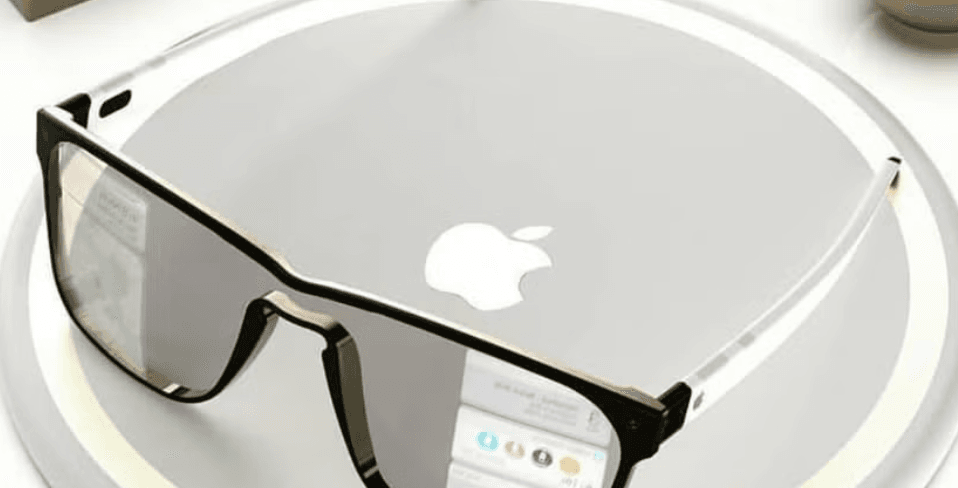
Let’s be honest: Meta’s Ray-Ban partnership set the bar for “cool” smart glasses. But Apple isn’t interested in just partnering with a brand; they want to be the brand. The latest leaks from the supply chain indicate that Apple is testing a series of premium frames crafted from aerospace-grade titanium and high-density acetate.
The goal? To weigh in at under 50 grams. If you wear prescription glasses, you know that every gram counts when it sits on the bridge of your nose for 12 hours a day. By using titanium, Apple can achieve a “zero-gravity” feel while packing in the cameras, microphones, and sensors needed for their next-gen AI.
Why Premium Materials Matter (It’s Not Just Flexing)
For Apple, the choice of materials like titanium and carbon fiber isn’t just about the “Pro” branding. It’s about thermal management.
- The Heat Problem: Small frames mean tiny batteries and processors. These get hot.
- The Solution: Titanium is surprisingly good at dissipating heat compared to standard plastics. This allows the glasses to run “Visual Intelligence” tasks like identifying a plant or translating a menu without making the wearer’s temples feel like they’re in a sauna.
A Multi-Frame Strategy: The “Apple Watch” Playbook
One of the most exciting rumors circulating this April is that Apple won’t launch with just one “standard” look. Taking a page out of the Apple Watch playbook, they are reportedly exploring multiple frame styles from day one.
Unlike competitors who launched with a single iconic shape, Apple is rumored to be testing:
- The Executive (Titanium Aviators): A sleek, professional look for the boardroom.
- The Creative (Thick-rimmed Acetate): A classic, bold “Wayfarer” style for the everyday user.
- The Sport (Flexible Composite): Ultra-lightweight frames designed to stay put during a morning run.
By offering variety, Apple is acknowledging that glasses are an extension of your face and nobody wants to wear the exact same face as everyone else.
The Tech Hidden in Plain Sight
While the frames are the star of the show, the tech tucked into the temples is what makes these “smart.” We aren’t expecting a full augmented reality (AR) display in the first generation. Instead, Apple is focusing on discreet utility.
Dual-Camera Architecture
Rumors point to a unique dual-camera setup. One camera is optimized for 1080p video capture (social media ready), while the second is a dedicated Computer Vision sensor. This second lens is the “eyes” for the new, smarter Siri coming in late 2026, allowing the AI to see exactly what you see and provide audio feedback through spatial audio speakers hidden in the stems.
The “Smarter Siri” Integration
This is where the premium experience comes together. With the Spring 2026 Siri overhaul, these glasses will function as a hands-free assistant.
“Hey Siri, what am I looking at?” “That’s the 18th-century fountain we discussed earlier, and your Uber is 2 minutes away.”
It’s seamless, it’s helpful, and most importantly it doesn’t require you to pull out your phone.
Price and Positioning: Is It for the Masses?
Apple is walking a tightrope here. They need these to be accessible enough to rival Meta, but premium enough to maintain their brand identity.
| Feature | Base Model | Premium “Pro” Frames |
|---|---|---|
| Material | High-grade Plastic/Aluminum | Aerospace Titanium / Carbon Fiber |
| Weight | ~55g | <48g |
| Audio | Standard Spatial Audio | Enhanced Acoustic Temples |
| Estimated Price | $399 – $499 | $899 – $1,099 |
Export to Sheets
The entry-level model is expected to hit that $399 sweet spot, but the premium titanium frames potentially part of a “Pro” line will likely push past $1,000, especially when you factor in prescription lens inserts.
The Verdict: Will You Trade Your Ray-Bans?
Apple’s exploration of premium frames proves they understand the “social friction” of wearables. People don’t want to look like cyborgs; they want to look like themselves, but better. By focusing on industrial design excellence and material quality, Apple is making a bet that we’re finally ready to put a computer on our faces as long as it looks like a piece of high-fashion jewelry.
What about you? Would you pay a premium for titanium smart glasses that feel weightless, or are you waiting for the version with a full holographic display?
Leave a Reply